2026-11-17 ·
Spotting Hidden Water Damage After Spring Snowmelt Near the Provo River
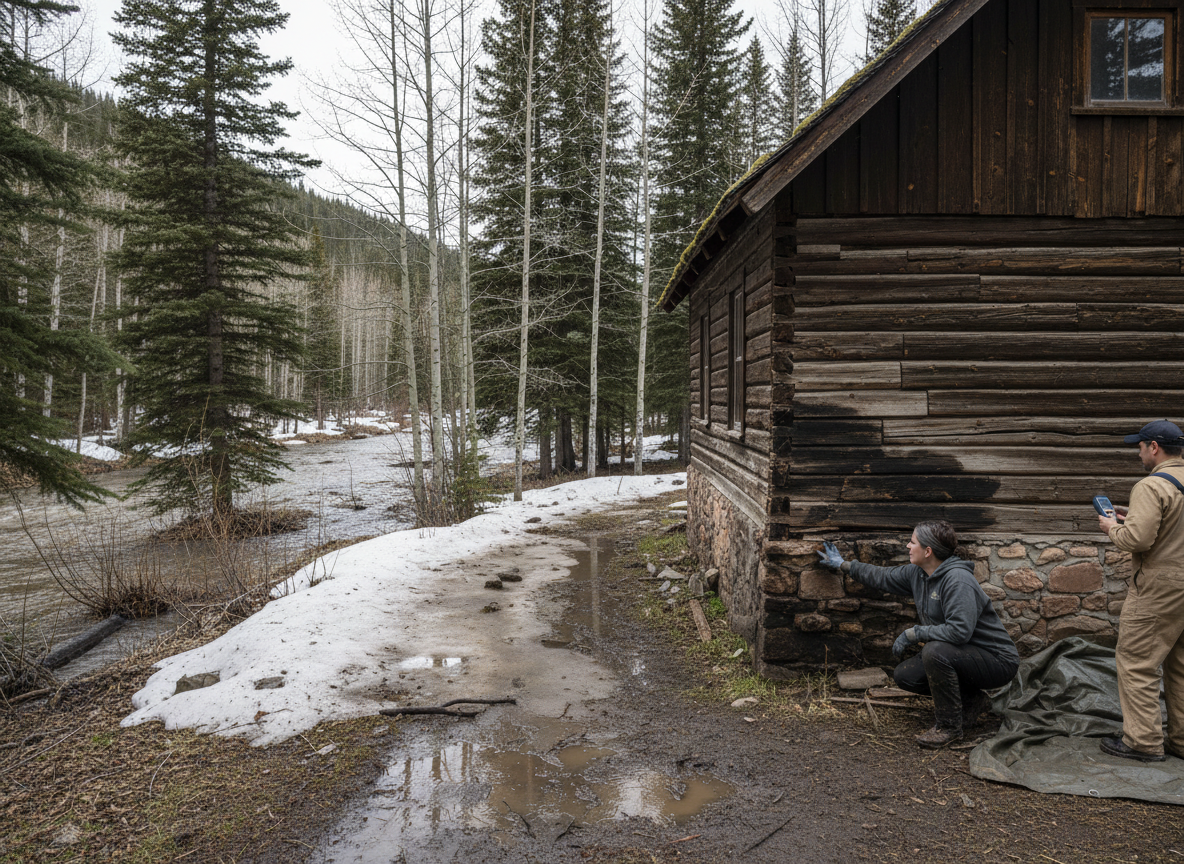
Hidden water damage after spring snowmelt near the Provo River often appears first as soft spots in subfloors or faint musty smells in lower levels of homes in Downtown Heber City and Lake Creek. Mountain climate patterns deliver heavy spring runoff that saturates soil around older foundations in Wasatch County, allowing water to migrate through cracks that stay invisible until interior finishes begin to fail. Properties near the Heber Valley Railroad tracks or close to Jordanelle State Park face added pressure from elevated water tables during peak melt periods in April and May.
How Local Terrain Channels Snowmelt Into Structures
The Provo River corridor and surrounding slopes in Wasatch County direct meltwater toward lower-lying neighborhoods such as North Village and Lake Creek. Warm summer days followed by snowy winters create repeated freeze-thaw cycles that widen foundation gaps in homes built before modern drainage standards. Terrain around Midway and Park City feeds additional runoff into the same river system, increasing saturation risk for crawl spaces and basements during rapid thaws. Owners in these zones often notice water tracking along utility lines or pooling near the Heber Valley Railroad right-of-way after heavy melt events.
Practical Checks for Hidden Moisture in Heber City Homes
Start inspections in basements and crawl spaces by pressing on baseboards and checking for spongy drywall within 12 inches of the floor. Use a moisture meter on subflooring near exterior walls facing the Provo River; readings above 15 percent indicate retained water from snowmelt. Examine ceiling joists in finished lower levels for brown staining that signals seepage from above-grade grading issues common in North Village properties. In Lake Creek homes, inspect around sump pump discharge lines and window wells where meltwater collects against foundations during peak runoff.
Document any warping in hardwood floors or separation in tile grout lines, as these often trace back to prolonged exposure after spring thaws. Check attic insulation near roof valleys for signs of ice dam melt that drips into wall cavities, a pattern seen in older stock near Wasatch Mountain State Park. Regular visual sweeps every two weeks during March through May catch problems before mold colonies establish in hidden cavities.
When Professional Water Extraction Becomes Necessary
If moisture readings remain elevated after 48 hours of ventilation, contact specialists for targeted water extraction to prevent structural compromise. Homes near the Provo River with finished basements frequently require water damage mitigation once meltwater bypasses exterior grading. Properties in Crossings at Lake Creek and North Village benefit from early intervention because clay-heavy soils retain moisture longer than sandy areas farther from the river. Compare approaches in the article What Affects Water Damage Restoration Costs in Mountain Properties for realistic expectations on Wasatch County jobs.
Seasonal patterns also affect cabins in the Heber area; review Protecting Cabins From Freeze-Thaw Cycles in the Heber Area for additional context on how repeated cycles compound snowmelt risks. Farshore Initiative operates 24/7 from 150 N Main St, Heber City, UT 84032, USA and responds directly to calls from local neighborhoods experiencing post-melt issues.